
Last updated November 21, 2026
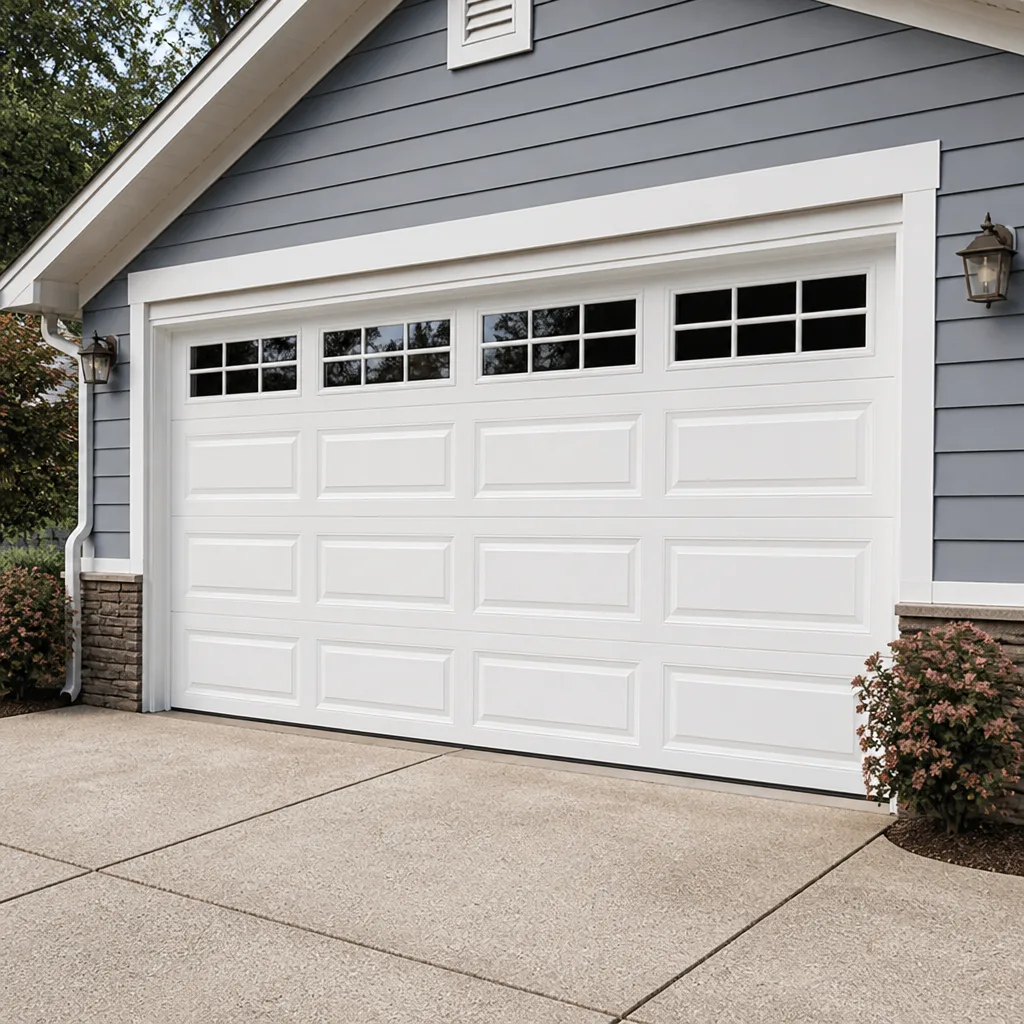 Raised-panel steel
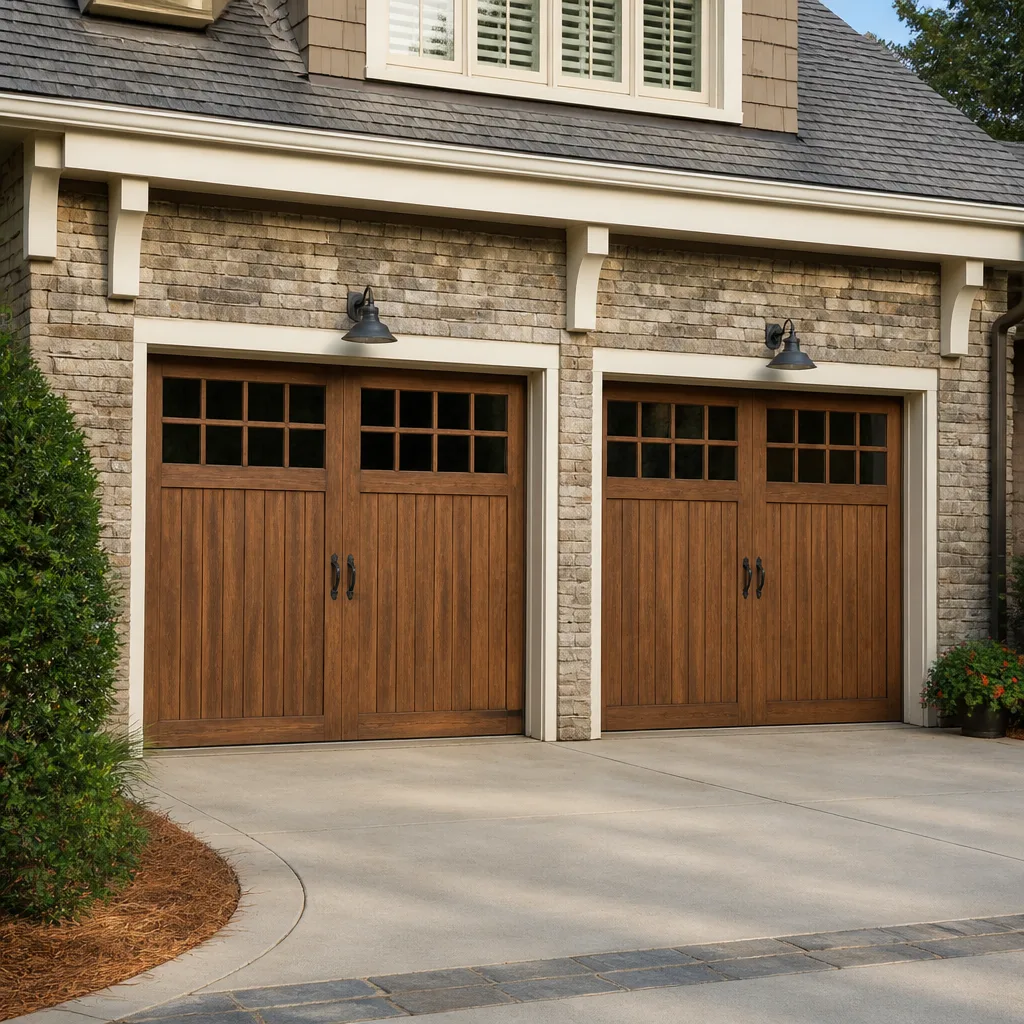 Carriage house
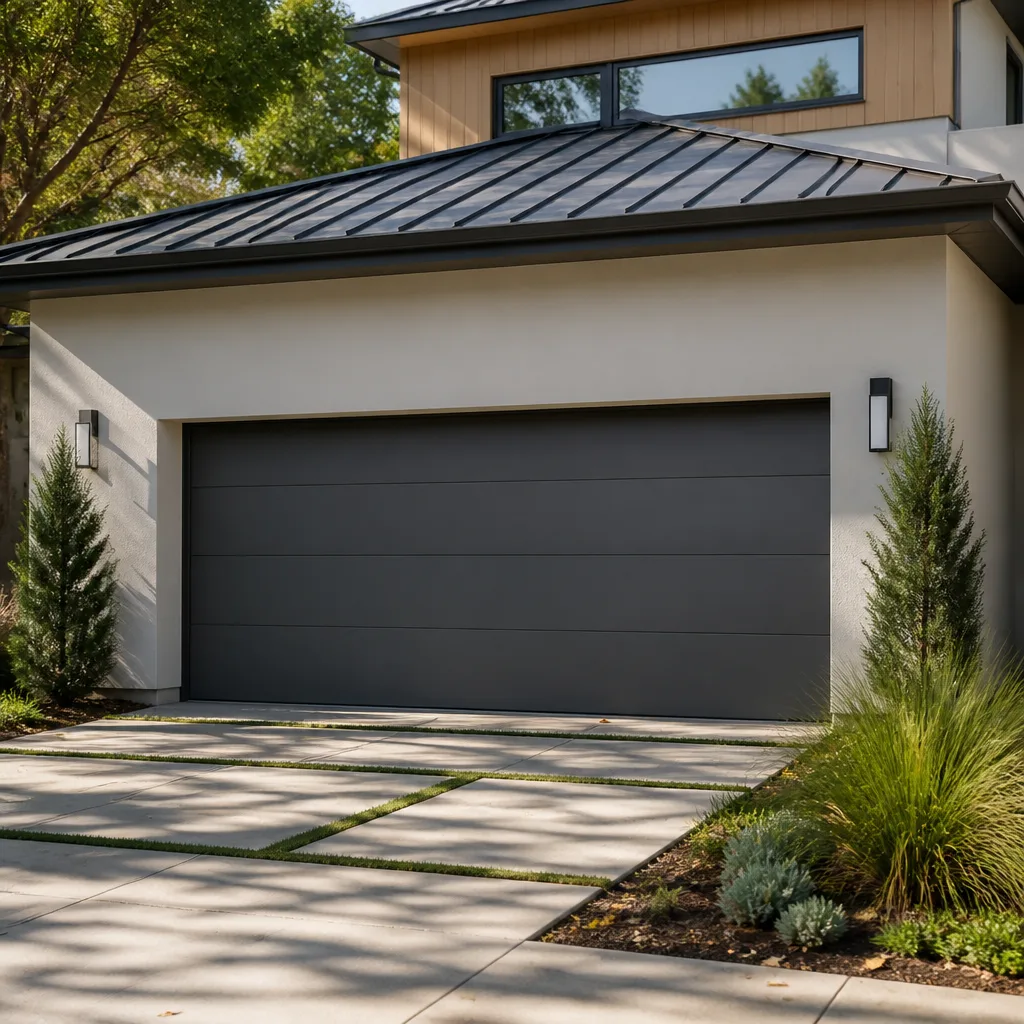 Modern flush
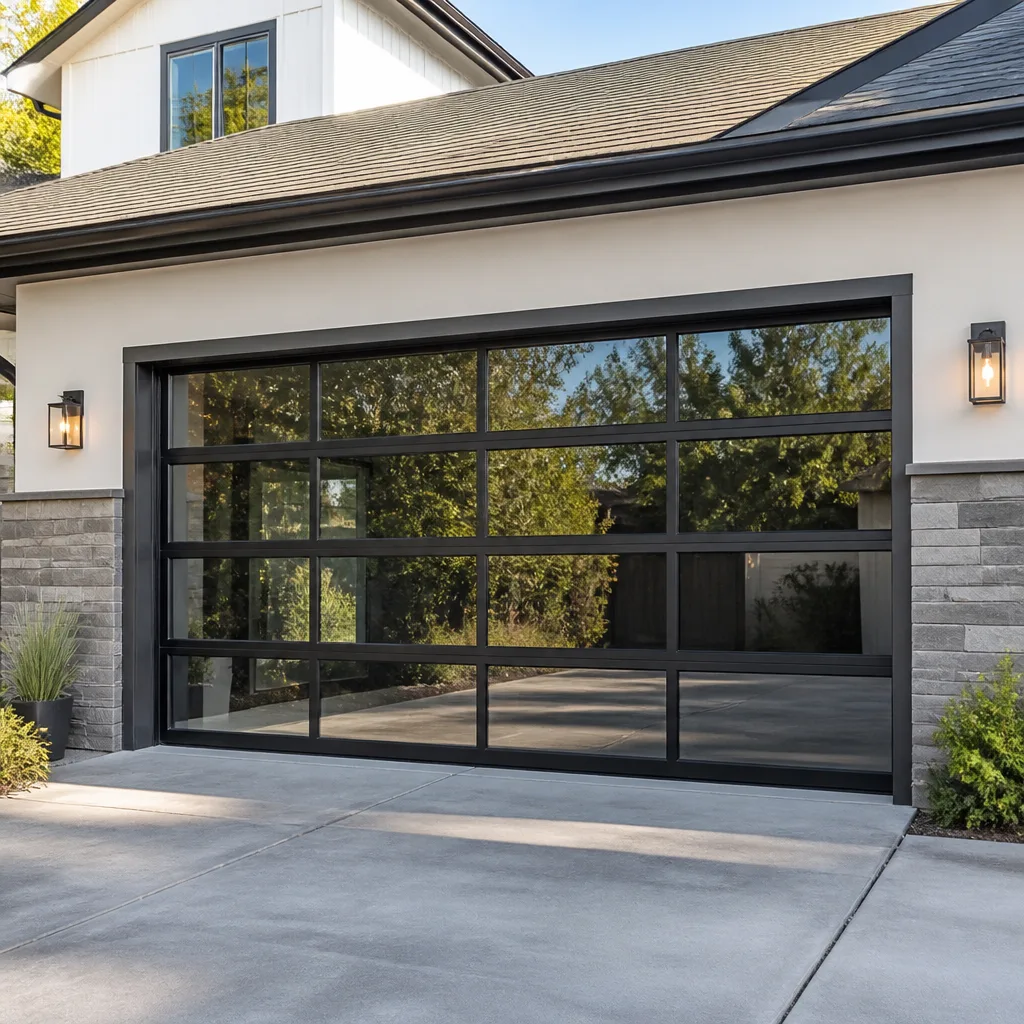 Full-view glass
 LiftMaster openers
 Chamberlain openers
Full 25-point door and opener safety check with every visit - springs, cables, rollers, tracks, and your LiftMaster or Chamberlain opener included
You get a price before we start. It does not change when the pro arrives.
Get your free estimateSeasonal Garage Door Care for Canton: Year-Round Homeowner’s Guide
Most garage door maintenance advice gets Canton wrong. The standard script says lubricate everything in October and forget it until next fall, which treats a garage door like a lawn mower that only needs one tune-up a year. But Canton’s four seasons stress a door in four completely different ways, and the season that does the most cumulative damage here isn’t winter. It’s spring. Freeze-thaw cycling in March and April works on springs, cables, and concrete slabs in a way that sustained cold never does, and by the time the daffodils show up, a door that sat fine all winter can be a few cycles from a snapped cable. This guide walks through each season as its own maintenance window, names the parts that wear on a schedule nobody talks about, and tells you when a job is a homeowner task and when it belongs to a trained technician.
Quick Answer
Garage door care in Canton should be split into four seasonal windows, not one annual checklist: spring for post-thaw inspection of springs, cables, and tracks; summer for humidity and heat-related issues on wood doors and openers; fall for lubrication and winterization of seals and lock cylinders; and winter for managing a frozen-to-ground door safely and watching how cold affects opener performance. The three components most homeowners overlook are nylon roller bearings, torsion spring winding cones, and bottom rubber seals, each of which ages on its own seasonal schedule.
Styles & brands we work with
- Raised-panel steel
- Carriage house
- Modern flush
- Full-view glass
- LiftMaster openers
- Chamberlain openers
Table of Contents
- Why Canton’s Climate Hits Garage Doors Differently
- Spring: The Post-Thaw Inspection Window
- Summer: Humidity, Heat, and UV Stress
- Fall: Lubrication and Winterization Done Right
- Winter: Frozen Doors and Cold-Weather Openers
- The Three Components Standard Checklists Miss
- A Season-by-Season Task Calendar
- Common Mistakes to Avoid
- When to Call a Professional
- Frequently Asked Questions
Why Canton’s Climate Hits Garage Doors Differently
Canton sits in a part of Ohio where the ground freezes and thaws repeatedly through late winter and early spring, and that cycle does more damage to a garage door system than a long stretch of steady cold. When the soil under a driveway or apron slab freezes, it expands. When it thaws, it settles. Repeat that a dozen times over a couple of months and the slab under your door can heave upward a fraction of an inch, which is enough to throw a bottom seal out of contact or push a track slightly out of plumb. That’s why a door that closed flush in January suddenly has a gap at one corner in April.
The same cycle works on the door’s moving parts. Steel springs contract in cold and expand in warmth, and every one of those transitions is a stress cycle. Cables that were tensioned in autumn can loosen or develop a kink as temperatures swing. In our experience across Canton, the spring service calls that spike aren’t in the coldest week of January, they’re in the weeks after the first genuine thaw, when everything that was frozen under load suddenly isn’t.
Summer brings the opposite problem. Canton’s humidity runs high enough through July and August that wood doors absorb moisture and swell, and a south-facing garage door takes direct sun for hours a day, which ages rubber bottom seals faster than the rest of the door. And winter does what winter always does: it freezes the seal to the slab, stiffens lubricant, and slows down opener motors that are already near the end of their life. Each season has its own failure pattern, and each one gets its own section below.
Spring: The Post-Thaw Inspection Window
Spring is Canton’s most important garage door maintenance season, and it’s the one most homeowners skip because the door “made it through winter.” Here’s the counterintuitive part: a door that survived the cold can still fail in April, because the freeze-thaw cycle is what does the cumulative damage. A torsion spring that’s been carrying load through dozens of temperature swings can be closer to breaking in mild weather than it was in February. This is the season to look, not just wait.
Spring inspection protocol, in order:
- Cables first. Look at both cables running down the sides of the door. You’re checking for fraying, kinks, or slack on one side. A cable is a load-bearing part under real tension, and a damaged one is a safety issue, not a maintenance item. If either cable looks worn or loose, stop and call a technician.
- Springs second. With the door closed, look at the torsion spring above the door (or the extension springs along the sides on older doors). You’re looking for a visible gap in the coil, which means it’s broken, or heavy rust and sagging. Never touch, wind, or attempt to adjust a torsion spring yourself. Those springs hold enough stored energy to cause serious injury, and spring work belongs to a trained technician.
- Track alignment after frost heave. Open and close the door slowly and watch the rollers travel in the tracks. If the door shudders, if a roller binds at one spot, or if the gap between door and frame changes as it moves, the track is likely out of alignment from slab movement. A slightly out-of-plumb track is a repair, not a homeowner adjustment.
- Weather seal assessment. Close the door and look at the bottom seal from inside with a light on the other side. Any daylight showing through means the seal isn’t making contact, which is both an energy issue and a way for water and pests to get in.
If you check all four and everything looks clean, you’ve done the most valuable thing you can do for a Canton garage door all year. If any of them turn up a problem, that’s the moment to book garage door repair before a small issue becomes a trapped car.
Summer: Humidity, Heat, and UV Stress
Canton summers bring two distinct stresses to a garage door: humidity that swells wood and heat that works on openers and rubber. They don’t show up the same way, so they get separate attention.
Wood door swelling. If your door has wood panels or a wood frame, high summer humidity can cause the panels to swell enough that they rub against each other or against the frame. You’ll notice this as a door that suddenly binds or squeaks in July when it was smooth in May. Don’t force it. A binding wood door puts extra load on the opener and the springs, and forcing it through the bind can strip an opener gear or wear a spring faster. The fix is usually to let the door dry out and check the panels for cracks or finish failure, but if the bind is severe or doesn’t resolve, it’s worth a professional look.
Opener heat stress. A garage that faces south or has a dark roof can get genuinely hot in summer, and an opener motor working in that heat runs closer to its thermal limit. If your LiftMaster or Chamberlain opener is older or has been cycling more than usual, summer is when a marginal unit starts to show it. Symptoms are a door that reverses partway up, an opener that stops and needs a cooldown before it’ll respond, or a motor that sounds strained. That’s not a door problem, it’s an opener problem, and it’s worth having diagnosed rather than ignored.
UV degradation of bottom seals. The bottom rubber seal on a south-facing door takes direct sun for the hottest part of the day, and UV breaks down rubber over time. The tell is a seal that’s cracked, hardened, or flaking at the edges. A hardened seal doesn’t compress against the slab, so it stops sealing and starts letting water and cold air in. Seal replacement is inexpensive and worth doing before fall, so the new seal is in place for winter.
Summer is also a good time to look at your opener’s safety sensors. Heat and humidity can fog the lenses or cause intermittent alignment issues, and a sensor that’s slightly out of line can make the door reverse for no apparent reason. That’s a common call, and it’s usually a quick fix. If yours needs attention, our garage door opener repair covers both legacy and smart/connected systems.
Fall: Lubrication and Winterization Done Right
Most garage door advice says “lubricate in fall” and leaves it there. That’s too vague to be useful. The right fall routine is specific about what to lubricate, with what, and what to leave alone. Doing it wrong is worse than not doing it.
What to lubricate, and with what:
- Rollers: Apply a white lithium grease or a dedicated garage door lubricant to the roller bearings and stems, not the track surfaces. A light spray silicone works on the roller stems. Avoid WD-40 as a long-term roller lubricant; it’s a penetrant and solvent, not a lasting lubricant, and it can strip the grease you want to keep.
- Hinges: A few drops of white lithium grease on each hinge pivot point. Wipe off excess, because excess grease attracts grit.
- Torsion spring (lightly): A very light coat of white lithium grease on the coils helps reduce friction and rust, but only on the spring, never inside the winding cones, and never while the door is under tension. If you’re not sure, leave the spring alone and have a technician do it.
- Track surfaces: Leave them mostly dry. Tracks should be wiped clean, not greased. Grease on a track collects dust and grit and makes rollers bind.
- Lock cylinder: A graphite lock lubricant in the keyway before the first freeze. Liquid lubricants can thicken in cold; graphite won’t.
Winterization tasks: Check the bottom seal for hardness or cracking (replace it now, not in January). Clear the area inside the garage where the door seals against the frame, and clean the weatherstripping on the sides and top. If you have a wood door, make sure the finish is intact before winter, because moisture that gets into bare wood and freezes does damage that shows up in spring. Our technicians have up to 14 years of experience with these systems, and the practical advice is the same: do this work while it’s mild out, because winter is the wrong time to discover a seal problem.
Winter: Frozen Doors and Cold-Weather Openers
A garage door frozen to the ground is a winter reality in Canton, and how you handle it matters more than most homeowners realize. The instinct is to hit the opener and force it. Don’t. A door that’s frozen to the slab and forced by an opener puts a sudden, violent load on the cables and springs, and a snapped cable is how a frozen-door morning turns into a real repair. Here’s the safe approach:
- Disconnect the opener first. Pull the manual release cord so the door is on its own, not under opener force. This one step prevents the forced load.
- Break the seal gently. Use a plastic scraper or a thin piece of wood to gently work along the bottom seal where it meets the slab. Don’t use a metal tool or a hammer, which can damage the seal or the door panel.
- Warm the seal, don’t pry it. A hair dryer on low, aimed along the bottom edge, is safer than prying. Give it time.
- Open the door by hand first. Before re-engaging the opener, lift the door manually to confirm it moves freely. If it doesn’t, don’t force it.
Cold also changes how openers perform. LiftMaster and Chamberlain openers, like most brands, are rated for a temperature range, and a door that’s slow or a motor that sounds labored in the single digits may be within spec or may be showing its age. If your opener hesitates in cold, stops and needs a pause, or reverses partway up, that’s a sign it’s working too hard, and it’s worth having checked. Cold also stiffens lubricants and makes a door harder to move, which puts more load on a marginal motor. There’s no reason to guess at this. A professional can tell you whether the opener is aging out or whether the door needs adjustment. When the door won’t move, we do, and fast dispatch from 7am to 7pm gets a technician out the same day in most cases.
The Three Components Standard Checklists Miss
Most seasonal checklists cover springs, rollers, and tracks and stop there. Three parts age on their own schedules and get missed, and each one can cause the kind of failure that’s easy to prevent and annoying to fix.
Nylon roller bearings
Rollers come with either steel or nylon bearings, and nylon is quieter but has a finite life. The bearing doesn’t fail all at once; it wears from the inside. On a Canton door that sees a lot of freeze-thaw and summer heat, a nylon roller bearing can go from smooth to rough over a couple of seasons. The tell is a door that rattles or shudders as it moves, even if the rollers still spin. A worn nylon bearing can eventually seize and flat-spot, which puts uneven load on the track. Roller inspection belongs on every seasonal check, and replacement is inexpensive.
Torsion spring winding cones
The winding cones are the cast parts at each end of a torsion spring that hold it in place on the torsion bar. They’re not something you check visually from the ground, and they’re not something a homeowner should ever touch, because they’re part of the spring system under tension. But winding cones do wear, and a worn cone can let a spring shift or bind. The sign that something’s off is usually a spring that doesn’t want to stay in place or a door that operates unevenly. This is a technician-only inspection, and it’s the kind of thing a trained eye catches on a routine check that a homeowner can’t see from below.
Bottom rubber seals
The bottom seal is the cheapest and most replaceable component on the door, and it takes the most abuse. It’s compressed against the slab every time the door closes. It’s exposed to UV on south-facing doors in summer. It freezes to the ground in winter. It’s the first line of defense against water, cold air, and pests. On a Canton door, a bottom seal usually has a shorter useful life than the springs, and replacing it before winter is one of the highest-value maintenance tasks you can do. Check it in fall, replace it if it’s hard, cracked, or not making contact, and you’ll avoid the frozen-door problem before it starts.
A Season-by-Season Task Calendar
Here’s the whole year in one place. Treat each season as its own window and the door stays ahead of the failures that catch other homeowners off guard.
- Spring (post-thaw): Inspect cables, springs, track alignment, and bottom seal. Look for any damage from winter. Book a professional check if anything is off. This is the most important window of the year.
- Summer: Watch for wood panel swelling, opener heat stress, UV damage to bottom seals, and safety sensor issues. Replace a hardened bottom seal before fall.
- Fall (pre-freeze): Lubricate rollers, hinges, and spring lightly with the right products. Leave tracks dry. Clean and lubricate the lock cylinder with graphite. Check and replace the bottom seal. Make sure wood finish is intact.
- Winter: Manage frozen doors by disconnecting the opener and warming the seal, never forcing. Watch opener performance in cold. Note any hesitation or reversing and have it checked.
If you only do one thing this year, do the spring inspection. It’s the window that catches the damage the other three seasons leave behind, and it’s the season Canton homeowners most often skip.
Common Mistakes to Avoid
- Greasing the tracks. Tracks should be clean and dry. Grease collects grit and makes rollers bind, which is the opposite of what you want. Clean the tracks, lubricate the rollers, leave the track surface alone.
- Forcing a frozen door with the opener. This is the fastest way to snap a cable or damage a spring. Disconnect the opener first, then work the seal free gently. It’s a two-minute habit that prevents a big repair.
- Touching a torsion spring. A torsion spring under tension holds enough stored energy to cause serious injury. Never wind, adjust, or try to remove one. Leave spring work to a trained technician, and let a professional check a spring that looks damaged rather than testing it by hand.
- Skipping the spring inspection because winter was mild. A mild winter still means dozens of freeze-thaw cycles. The thaw is what does the cumulative damage, not the cold. Inspect in spring regardless of how the winter went.
- Using the wrong lubricant. WD-40 on rollers strips the grease you want, and liquid lubricants in lock cylinders thicken in cold. Use white lithium grease or a dedicated garage door lubricant for moving parts, and graphite for the lock.
- Ignoring a bottom seal that’s hard or cracked. A hardened seal doesn’t seal. It lets water and cold air in, and it’s the part most likely to freeze to the slab in winter. Replace it in fall, not January.
- Assuming an opener problem is a door problem. A door that reverses or hesitates in summer heat or winter cold may be a straining opener, not a door issue. Diagnosing the wrong component means paying for the wrong fix.
When to Call a Professional
Some garage door issues are homeowner tasks and some are not, and the line between them matters. Call a professional if you see a broken or damaged spring, a frayed or slack cable, a track that’s visibly out of alignment, or a door that binds or shudders as it moves. Call if the opener hesitates, reverses for no clear reason, or struggles in cold or heat. Call if a frozen door doesn’t free up with gentle warming, or if the door won’t move at all. And call before winter if your bottom seal is hard, cracked, or not making contact, so it’s replaced while the weather is mild. Spring work and cable work are safety issues, not DIY projects. For everything else, a professional diagnosis saves you from fixing the wrong part.
Garage Door Repair Canton Pros offers free estimates in Canton. Call (855) 707-3791. We answer 24/7. Fast dispatch from 7am to 7pm, Sunday through Friday.
Frequently Asked Questions
Spring is the most important season, specifically the weeks after the last thaw. Freeze-thaw cycling in March and April puts the most cumulative stress on springs and cables, and a door that survived winter can still be near failure in April. Inspect cables, springs, tracks, and seals in spring, and treat the rest of the year as supporting maintenance.
You can safely lubricate rollers, hinges, and lock cylinders yourself with the right products (white lithium grease or a dedicated garage door lubricant for moving parts, graphite for the lock). Leave the torsion spring to a technician, and never touch a spring under tension. Keep the tracks clean and dry rather than greased.
Most residential openers are rated for a temperature range, and performance can drop in extreme cold because the door itself gets harder to move, which loads the motor more. If your LiftMaster or Chamberlain opener hesitates, stops, or reverses in cold, its working too hard, and that’s worth a professional check rather than a guess. A well-adjusted door and a healthy opener handle Canton winters without trouble.
Disconnect the opener with the manual release cord first, then gently work along the bottom seal with a plastic scraper or hair dryer on low. Don’t force it with the opener or pry it with metal tools. Lift the door by hand to confirm it moves freely before re-engaging the opener.
High summer humidity causes wood panels to swell, which can make a door bind against its frame. Don’t force it, because the extra load wears springs and openers. Let it dry out, check the finish for cracks, and if the bind doesn’t resolve, have it looked at before it causes a bigger problem.
There’s no fixed schedule, but check it every fall. A bottom seal on a south-facing door can degrade faster from UV, and a seal that freezes to the slab in winter hardens faster. Replace it when it’s hard, cracked, or not making contact. It’s one of the least expensive maintenance tasks and one of the most valuable.
The Bottom Line
Seasonal garage door care in Canton is four separate windows, not one annual checklist. Spring is the season that matters most, because freeze-thaw cycling does the cumulative damage that cold alone doesn’t. Summer is about humidity, opener heat, and UV. Fall is about lubricating the right parts with the right products and replacing a bottom seal before it freezes. Winter is about handling a frozen door safely and watching how the cold affects your opener. The parts standard advice misses, nylon roller bearings, winding cones, and bottom seals, are the ones that fail on their own schedule. Handle each season, and your door stays ahead of the failures that catch most homeowners off guard.
For a full-lifecycle service that covers repair, opener repair, spring repair, and garage door installation, our team works on LiftMaster, Chamberlain, Genie, Clopay, Amarr, Wayne Dalton, Craftsman, and Raynor systems. Whether you’re facing an urgent failure or planning ahead, we can help. Call (855) 707-3791 for a free estimate. We answer 24/7. Fast dispatch from 7am to 7pm, Sunday through Friday.
Written by the team at Garage Door Repair Canton Pros.
See the difference
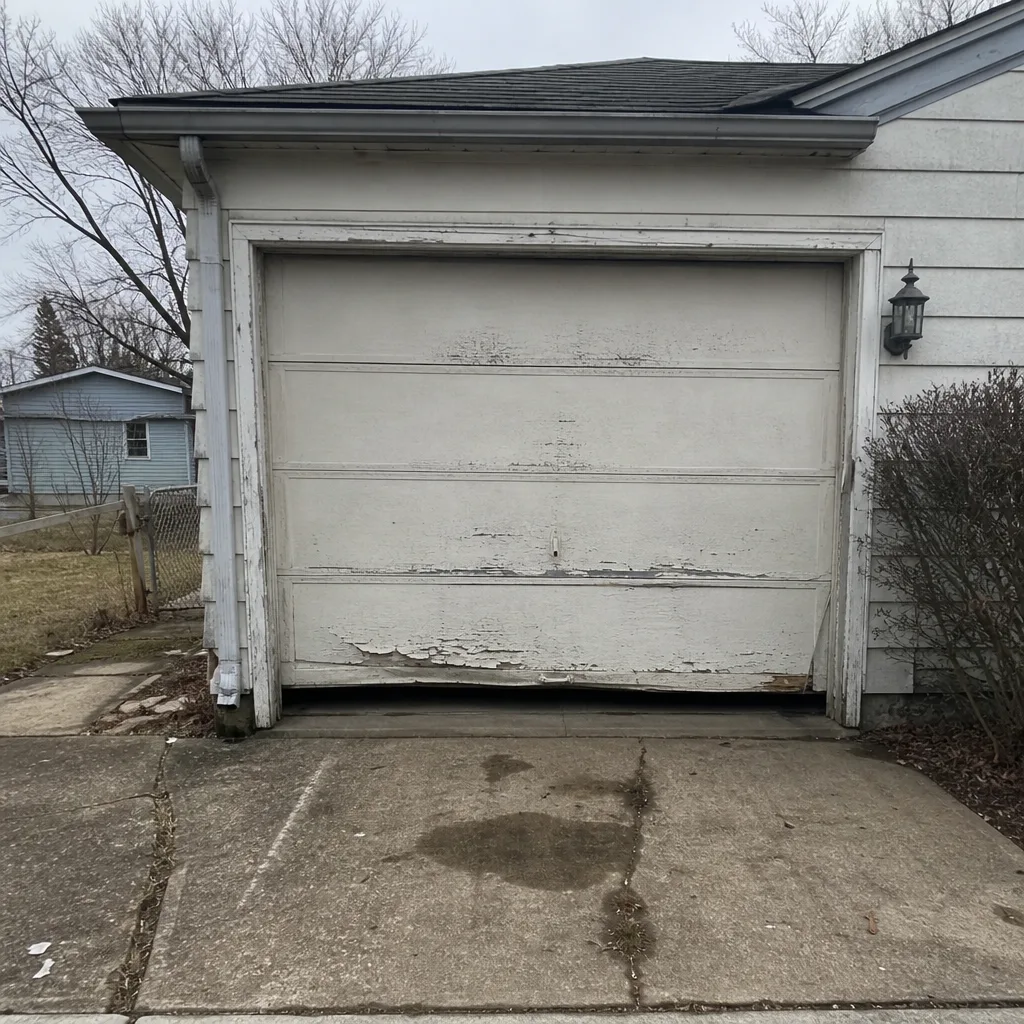 Before
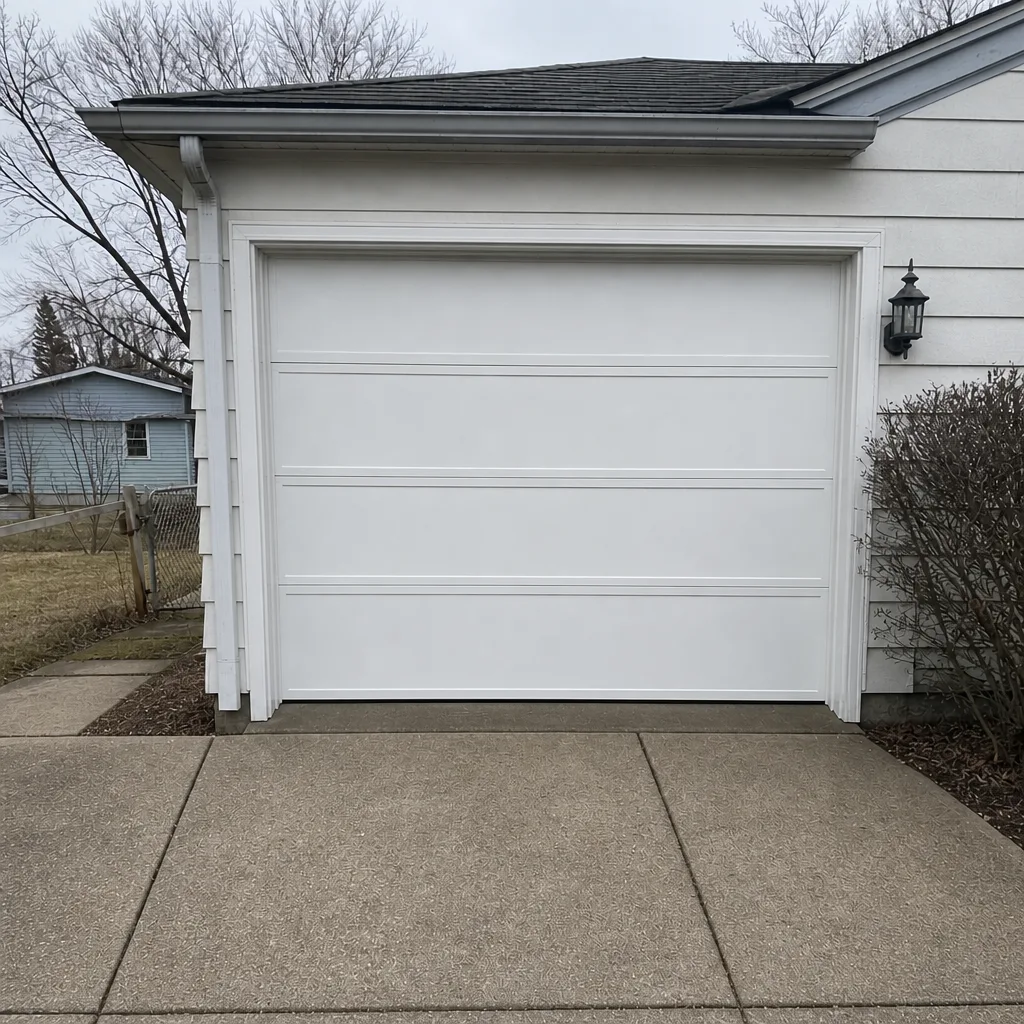 After
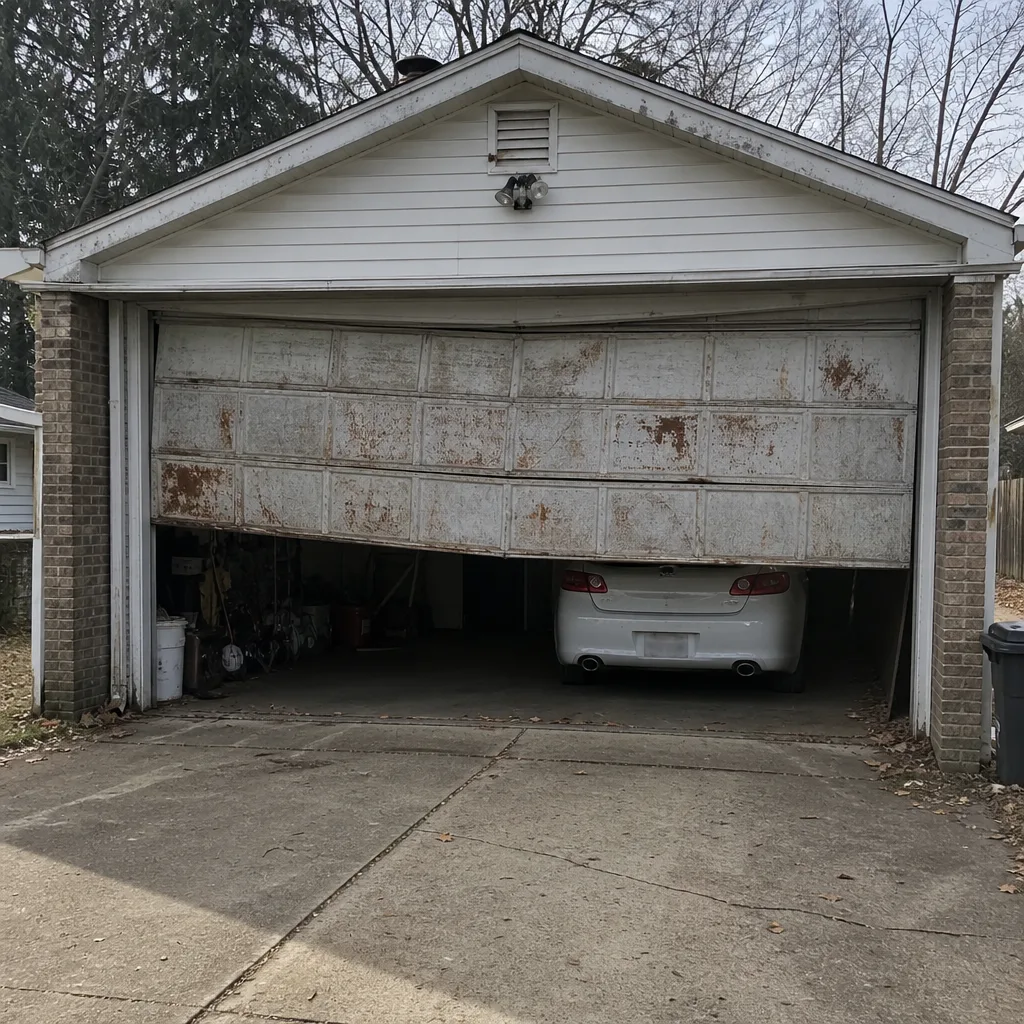 Before
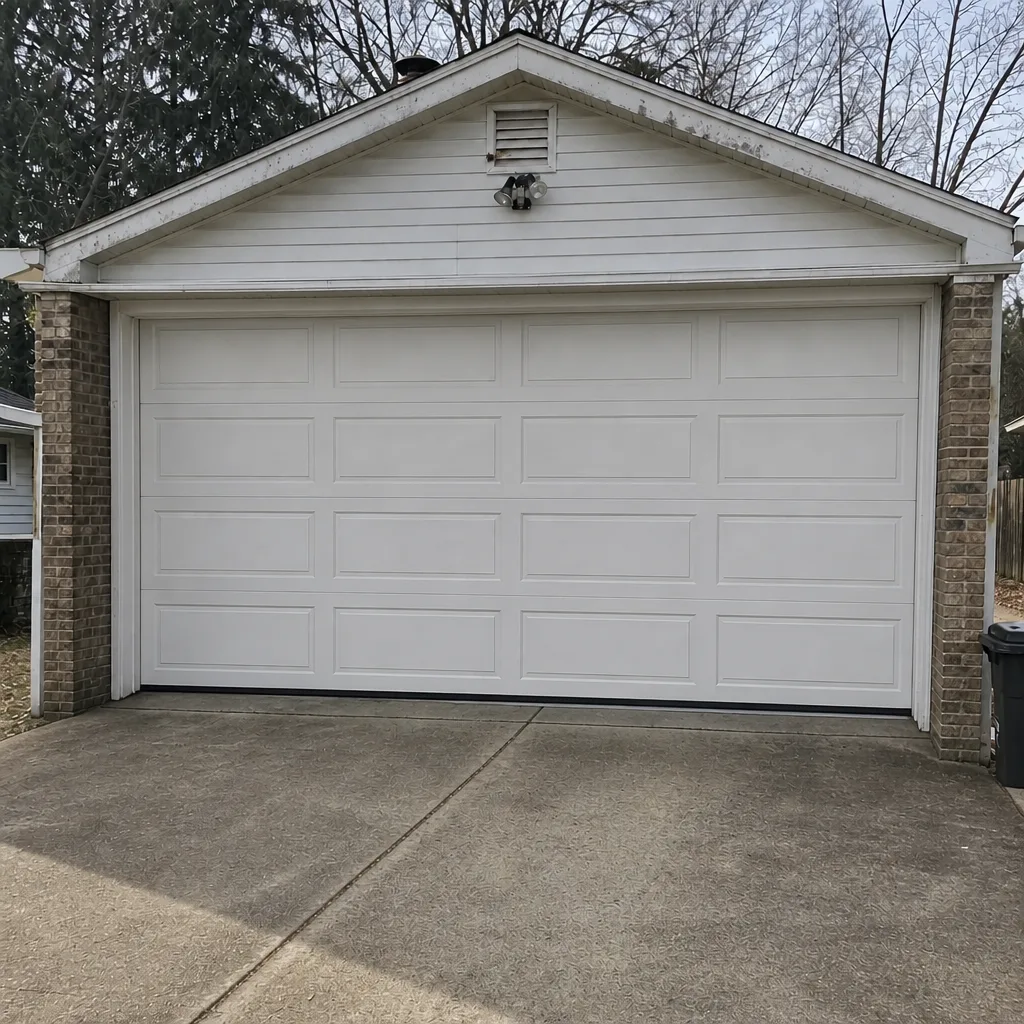 After
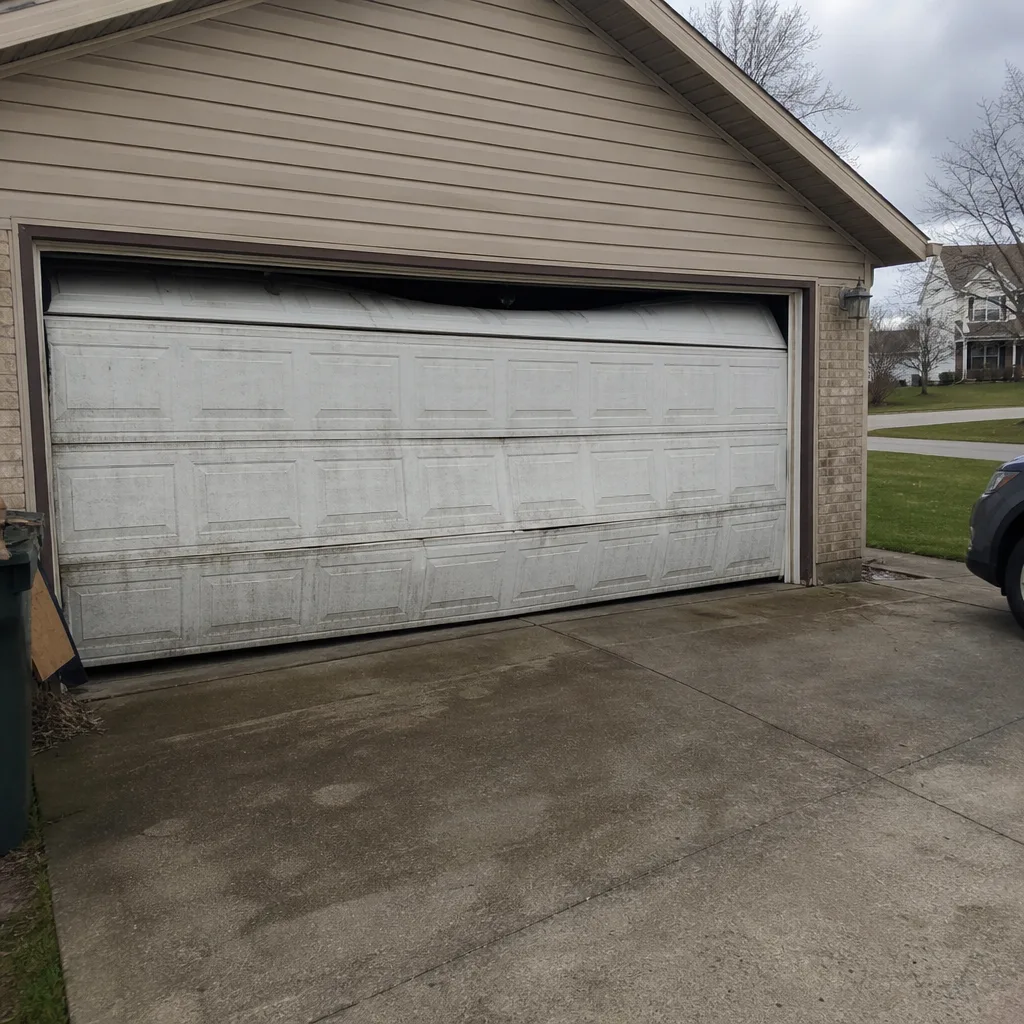 Before
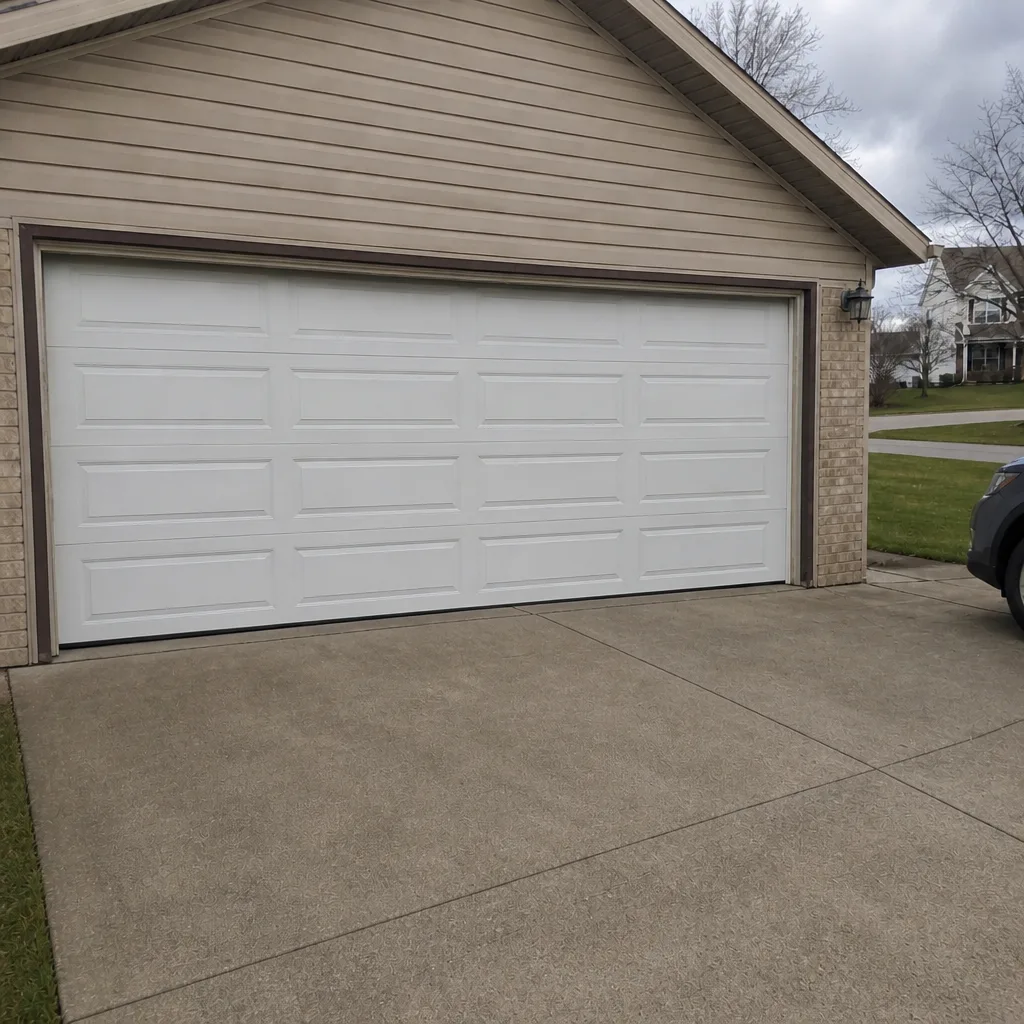 After