
Last updated November 21, 2026
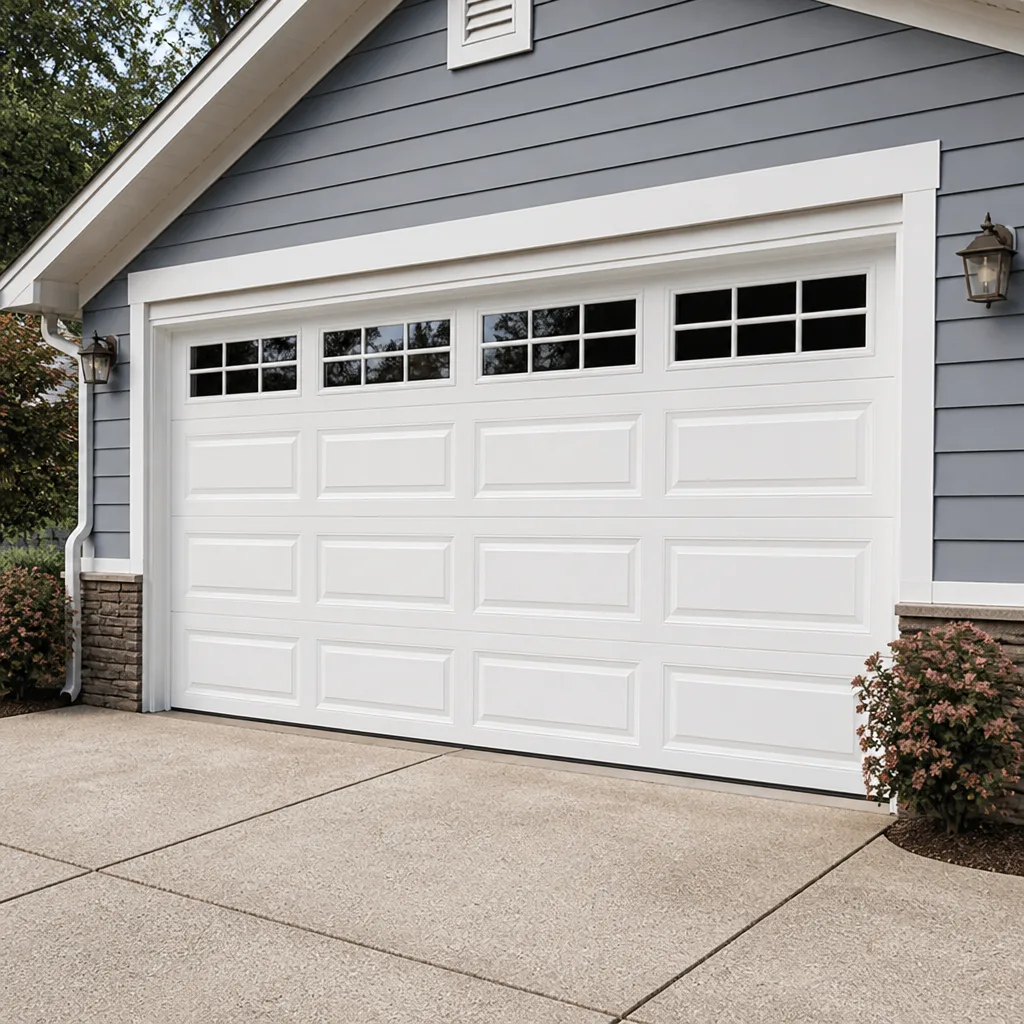 Raised-panel steel
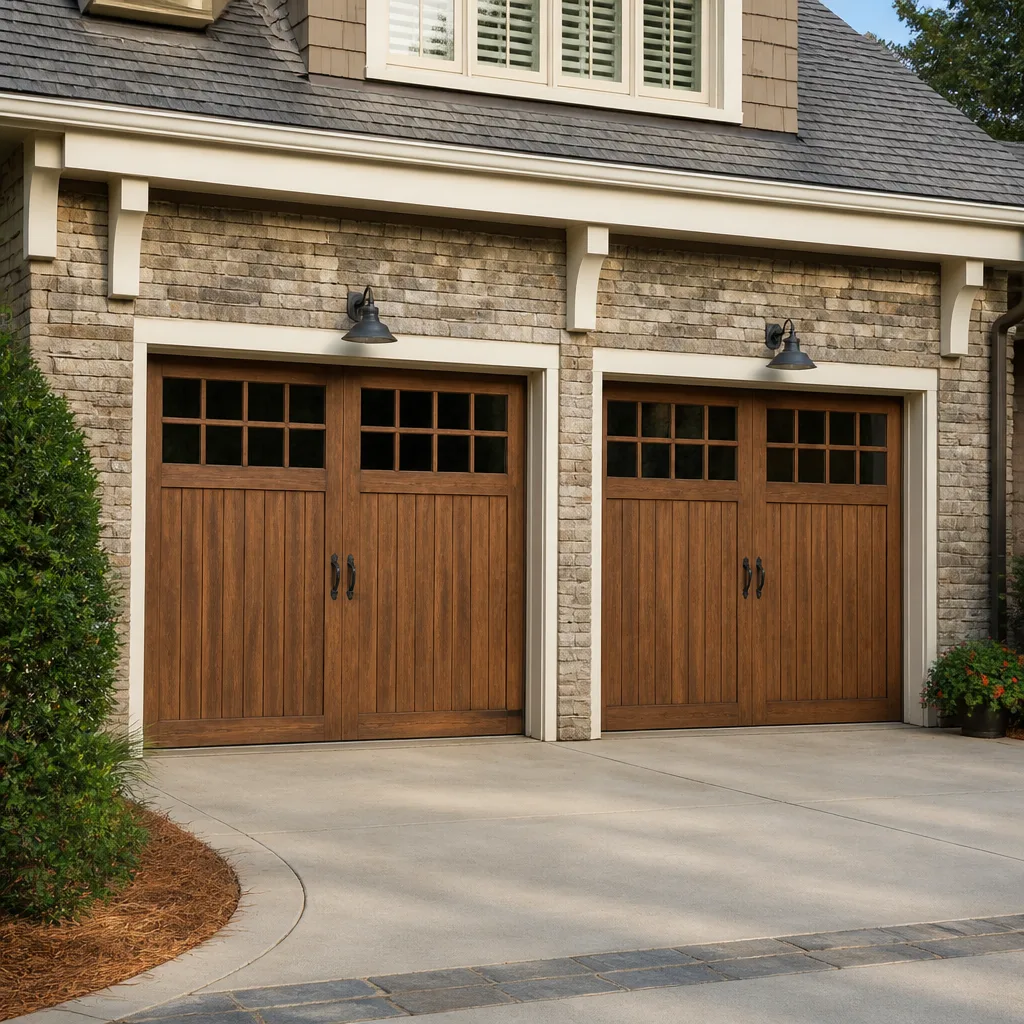 Carriage house
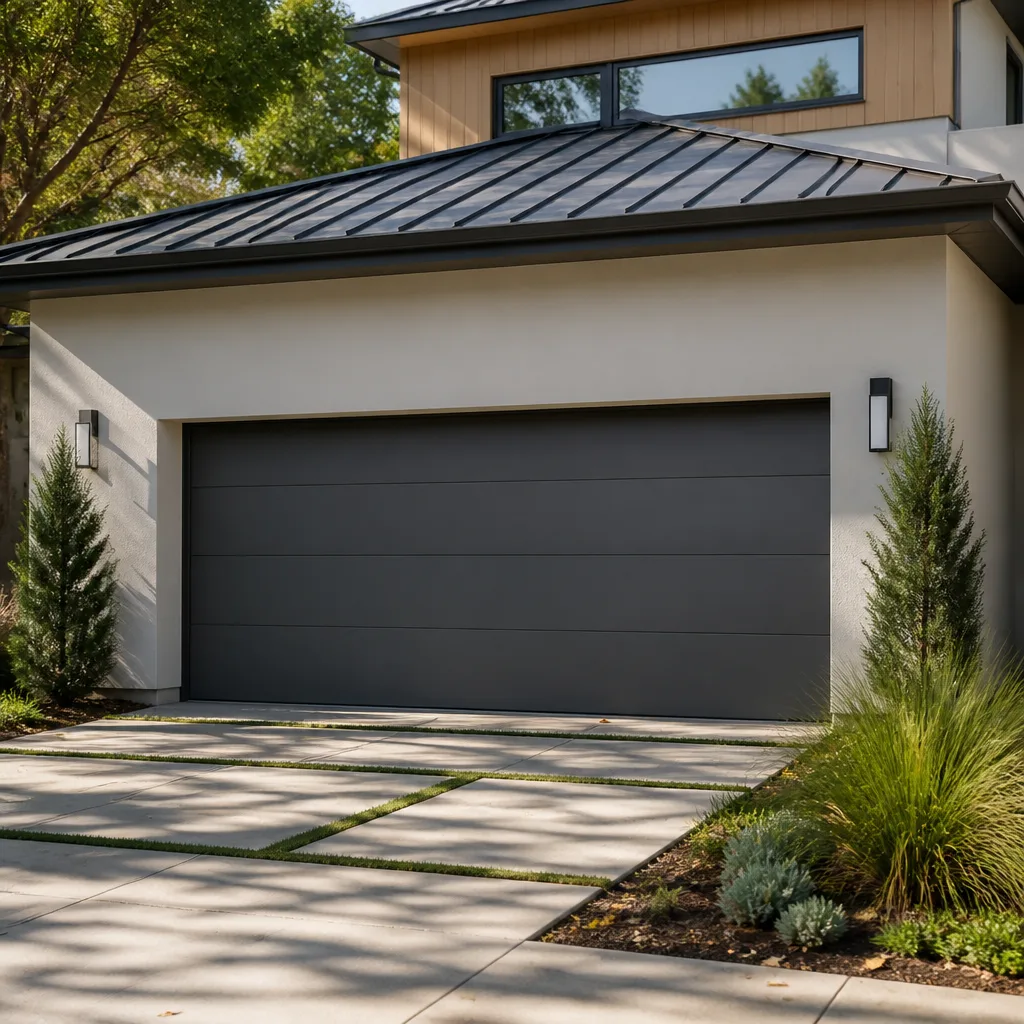 Modern flush
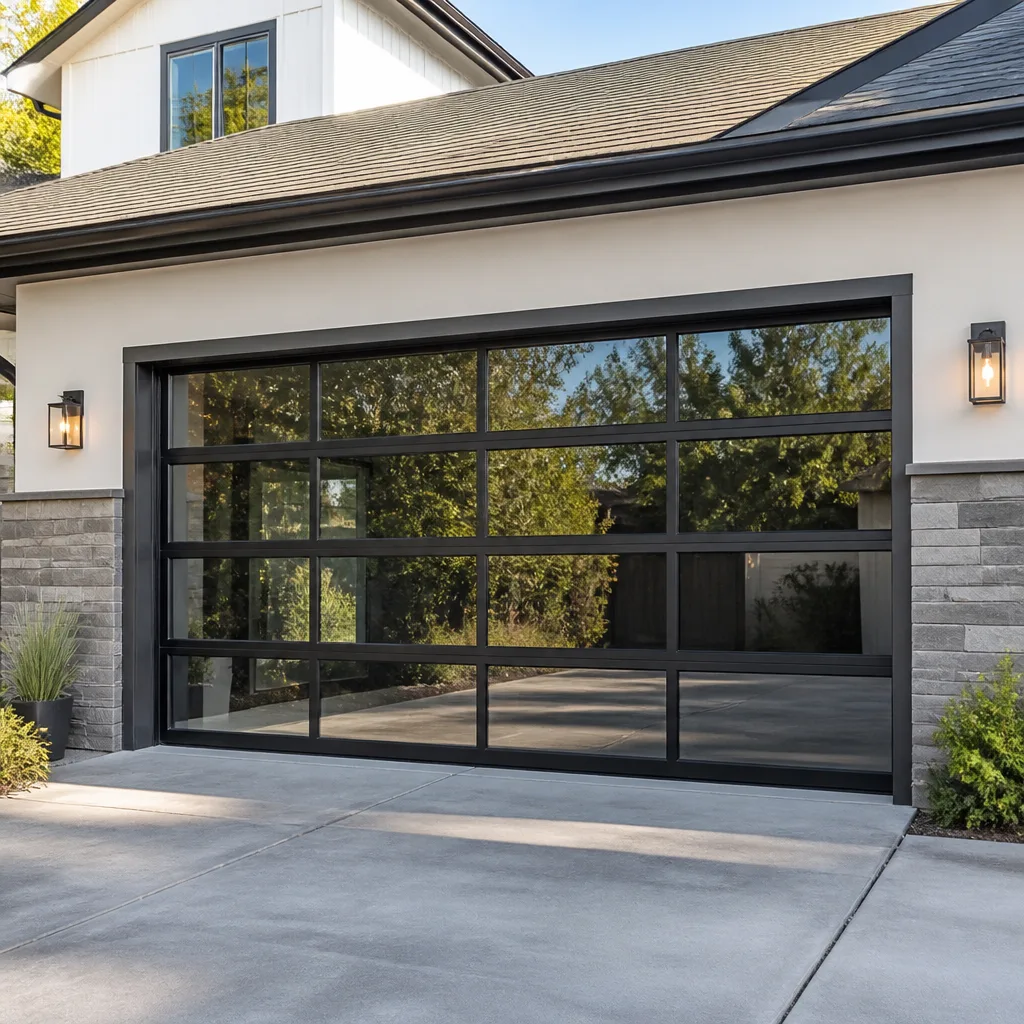 Full-view glass
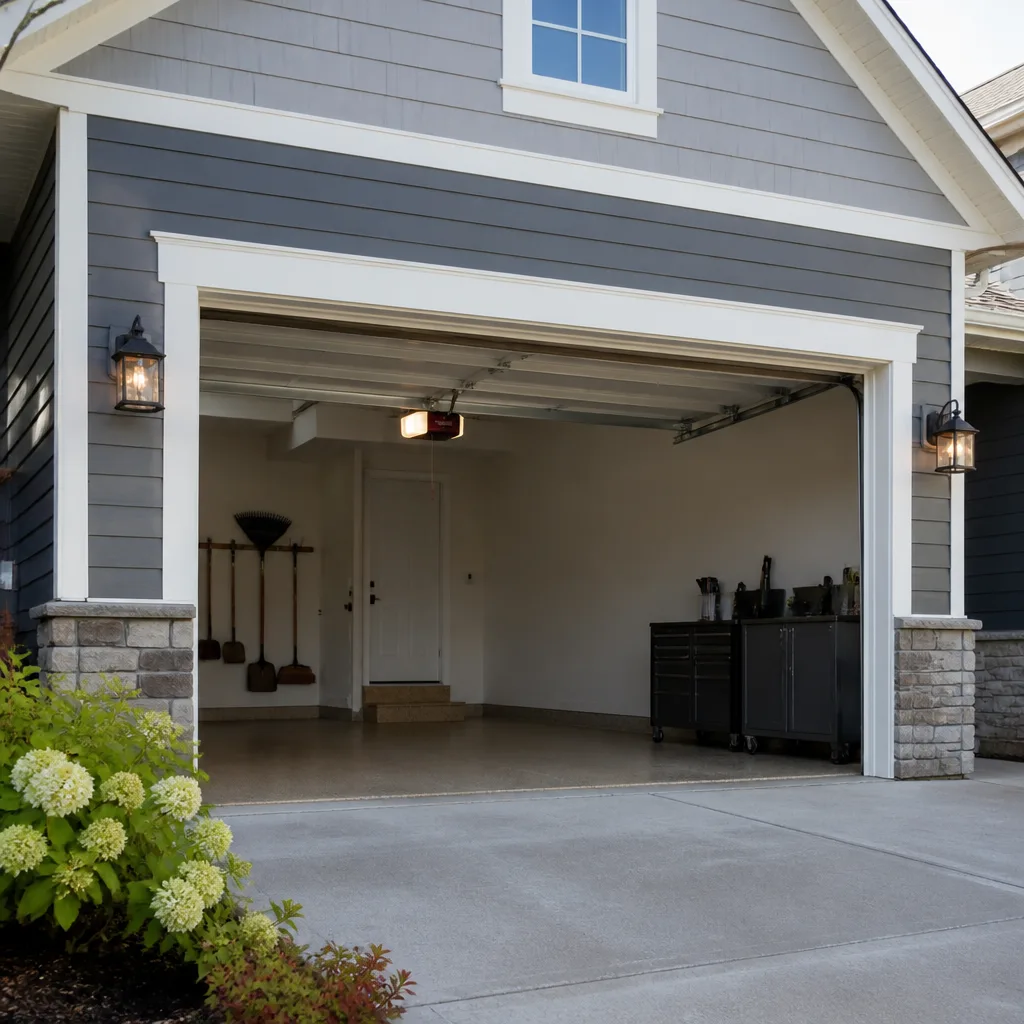 LiftMaster openers
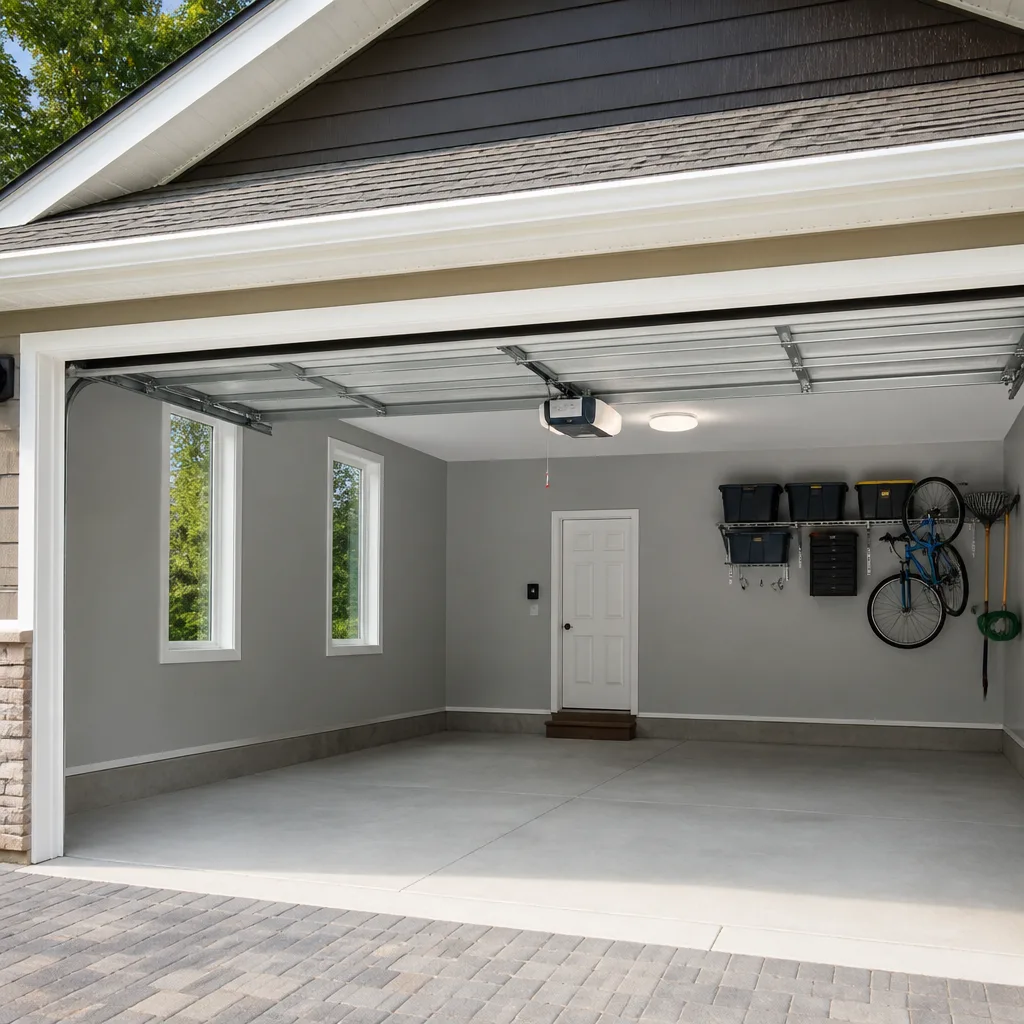 Chamberlain openers
Full 25-point door and opener safety check with every visit - springs, cables, rollers, tracks, and your LiftMaster or Chamberlain opener included
You get a price before we start. It does not change when the pro arrives.
Get your free estimateGarage Door Permits, Codes & Inspections in Canton, OH: What You Need to Know
Most Canton homeowners assume a garage door swap needs no paperwork. In many cases they’re right, but the exceptions are the ones that cost people at closing. Ohio treats garage doors as a building envelope and fire-separation component, not a cosmetic upgrade, and a handful of common scenarios in Stark County pull a permit requirement along with them. The danger isn’t the permit itself. It’s the retroactive inspection nobody warned you about. This guide maps exactly when Canton and Stark County trigger a permit, what an inspector actually checks, how unpermitted work surfaces during a sale or claim, and when to pull a permit even though it’s arguable.
Quick Answer
A straight replacement of a garage door with a like-sized door in the same opening generally does not require a permit in Canton or Stark County. You do need a permit, or at minimum a call to the city’s building department, when the work changes the structural opening, involves a new-construction door, removes or alters the fire-separation assembly between an attached garage and the living space, or electrifies a door that was previously manual in an older home. When in doubt, ask the City of Canton Building Department before work starts; it costs nothing and protects your sale and your claim.
Styles & brands we work with
- Raised-panel steel
- Carriage house
- Modern flush
- Full-view glass
- LiftMaster openers
- Chamberlain openers
Table of Contents
- Why Garage Doors Sit in a Regulatory Gray Zone in Ohio
- The Stark County Scenarios That Trigger a Permit
- Ohio Residential Code and Fire Separation: The Rule Homeowners Miss
- What a Stark County Building Inspection Actually Checks
- How Unpermitted Work Affects Insurance Claims and Title Transfer
- When to Pull a Permit Even When It’s Arguably Optional
- How to Pull a Garage Door Permit in Canton Without an Attorney
- Common Mistakes to Avoid
Why Garage Doors Sit in a Regulatory Gray Zone in Ohio
Ohio’s residential code doesn’t have a single line that says “garage door replacement requires a permit.” It regulates the garage as a structure and as a fire boundary, and it regulates electrical work at the opener. That means the same physical job can be permit-free on one house and permit-triggering on the next, depending on the opening, the wall assembly, and whether power is being added.
The result is a gray zone that contractors and homeowners interpret differently, and the interpretation usually surfaces at the worst possible moment: a title transfer, an insurance adjuster’s visit, or a municipal complaint from a neighbor. Canton’s older housing stock on the near northeast and southwest sides makes this more common than in newer suburban builds, because doors get electrified decades after the house was built and openings get widened during remodels.
Here’s the practical rule we give customers: the door itself is usually the easy part. The opening, the wall, and the wiring are what create permit exposure. A same-size swap of a Raynor or Wayne Dalton door in an unchanged opening is generally treated as a maintenance replacement. Change the rough opening, add an operator where none existed, or touch the fire-rated wall between the garage and the house, and you’ve moved into work a building department wants to see.
Homeowners insurance policies don’t usually exclude unpermitted work outright. What they do is give an adjuster a reason to question whether the loss was caused by non-compliant construction, and that question can slow or reduce a claim. Title companies ask different questions, and buyers’ inspectors ask more. If you want a general sense of what the repair side of this looks like, our garage door repair page covers common failures. This page is about the paperwork and code side.
The Stark County Scenarios That Trigger a Permit
These are the scenarios where Canton and Stark County building officials expect to see a permit application or at least a conversation before work begins. They’re not hypothetical edge cases; each one shows up in ordinary residential work.
- Structural opening modifications. Widening, raising, or re-framing the garage door opening changes the header and the wall structure. That’s structural work, and it requires a permit and inspection regardless of who installs the door.
- New construction doors. Any door installed as part of new construction, an addition, or a detached garage build goes through the full permit and inspection cycle with the rest of the structure.
- Electrifying a previously manual door. Adding an opener and a new circuit to a door that was hand-operated means electrical work. That includes running a circuit, installing a receptacle at the ceiling, and often adding a disconnect. Older Canton homes with detached or semi-detached garages hit this one frequently.
- Altering the fire-separation assembly. Cutting or modifying the wall, ceiling, or door between an attached garage and the living space triggers a permit because it affects a life-safety component.
- Changing the door’s fire rating. Replacing a rated door with an unrated one, or removing a self-closing or self-latching feature required on a garage-to-house door, is a code change even if the door “fits.”
- Replacing the service door between garage and house. That door is part of the fire separation. A solid wood or steel door with proper latching and self-closing hardware is the standard; swapping it for a hollow-core door is a common and avoidable violation.
Notice that the door panel itself isn’t on that list. The permit exposure lives in the opening, the wiring, and the fire boundary. If your project stays clear of all three, you’re typically in replacement territory and can proceed with a written scope and a licensed installer.
Ohio Residential Code and Fire Separation: The Rule Homeowners Miss
The Ohio Residential Code requires a fire-separation assembly between an attached garage and the living space. In plain terms, the wall and ceiling separating the garage from the house must resist fire long enough for occupants to get out, and the door between the garage and the house must be a solid or rated door that self-closes and self-latches. Duct penetrations through that wall are restricted for the same reason.
Why this matters to a garage door project: the overhead door isn’t usually the fire-rated element. The person door between the garage and the house is. Homeowners replace that door for appearance or convenience and don’t realize it’s a code component. We see hollow-core doors, propped-open doors with the self-closer removed, and pet doors cut through a rated door. Each one is a fire-separation violation, and each is something a municipal inspector or a buyer’s home inspector will flag.
The fire-separation rule also explains why opening modifications in an attached garage get more scrutiny than the same work on a detached garage. Once you cut into that wall for a wider opening, you’re altering a rated assembly, and the repair has to restore the rating. That’s a permit-and-inspection job, not a weekend project.
For older Canton homes where the garage shares a wall with a kitchen or a bedroom, the stakes are higher and the inspection is stricter. If you’re planning a door replacement and the separation assembly is intact and rated, you’re in good shape. If anything about that wall or the person door is questionable, fix it as part of the project rather than after the fact.
What a Stark County Building Inspection Actually Checks
A garage door inspection in Stark County is not a general walkthrough. The inspector is checking specific code-driven criteria, and knowing them ahead of time is the difference between a clean sign-off and a re-inspection.
- Structural integrity of the opening. Header size, framing, and attachment for any altered opening. The inspector wants to see that the load path is intact and that the new opening is properly framed.
- Fire separation continuity. Wall and ceiling membranes between the garage and living space, plus the person door’s rating, self-closing feature, and latching.
- Penetrations through the separation. How ducts, wiring, and piping pass through the rated wall, and whether penetrations are sealed.
- Electrical work at the opener. Circuit, receptacle, bonding, and any required disconnect. If a permit was pulled for the electrical portion, that inspection is separate and often scheduled together.
- Door and operator safety devices. The photo-eye safety reversal and the pressure or force setting on an automatic operator. Inspectors check that the safety reverse actually stops and reverses the door.
- Clearances and labeling. Required warning labels on the door and operator, and clear space around moving parts.
- Alignment with the approved plans. If the permit was issued on a drawing, the finished work needs to match it. Deviations during the job are the most common reason for a re-inspection.
The pattern is clear: the inspector is checking the structure, the fire boundary, and the electrical, not the aesthetics of the door. That’s also why a straight swap with no structural or electrical change often doesn’t need an inspection at all.
If you’re also having an opener replaced or repaired, the operator side of the inspection is where brand familiarity matters. Our garage door opener repair page explains how the safety-reverse and sensor systems work across LiftMaster and Craftsman units, both of which are common in Canton homes.
How Unpermitted Work Affects Insurance Claims and Title Transfer
Unpermitted garage door work rarely causes a problem on the day it’s done. It causes problems later, in two places: an insurance claim and a home sale.
Insurance. Policies generally don’t void coverage because a permit wasn’t pulled, but adjusters do investigate whether a loss was caused or worsened by non-compliant construction. If a fire spreads through an unsealed or unrated wall between the garage and the house, or an opener was wired without a proper circuit, that becomes part of the claim analysis. The practical outcome is a slower claim, more documentation requests, or a partial denial. A permit and inspection record is the cleanest defense you can have.
Title transfer. During a sale, the buyer’s inspector looks at the garage with the same criteria the municipal inspector uses: fire separation, person door rating, self-closing hardware, and any obviously altered openings. A seller’s disclosure that lists recent garage door work invites a follow-up question about permits. If the work required a permit and there isn’t one, the buyer can ask for retroactive permitting and inspection, a price concession, or a repair credit. In a slow market that stalls deals; in any market it costs time.
When a closing is on the line, the title company wants documentation, not assurances. The cleanest file has three things: a written scope of work, an invoice from a licensed installer, and either a permit record or a written note that no permit was required. If you’re buying a home in Canton and the seller replaced a door and opener recently, ask for that file. If it doesn’t exist, budget for a code-compliance review before you close.
The same applies to a full replacement project, not just a repair. If you’re planning a new door and want to understand how the project is scoped, our garage door installation page walks through the measurement, ordering, and installation sequence.
When to Pull a Permit Even When It’s Arguably Optional
There are situations where a permit is not strictly required but pulling one is still the smart move. Think of it as buying documentation rather than buying permission.
- You’re selling within the next few years. An inspection record closes the question before a buyer opens it. The cost and delay of a permit are almost always less than a negotiation credit or a delayed closing.
- The original work was inspected but the door has since been altered. If a prior owner changed the opener wiring or modified the opening, a fresh inspection establishes a clean baseline.
- Your insurer has asked for documentation. If a carrier flags the garage, a permit and inspection record is the fastest way to satisfy the request.
- The garage is attached and the fire-separation assembly is involved in any way. Even a “minor” change to that wall is worth a permit, because the separation is a life-safety component.
- You’re changing the electrical at the opener. Adding a circuit or a receptacle is electrical work. A permit and inspection here protects you if the circuit is ever implicated in a claim.
- You’re not certain the work is exempt. A phone call to the building department and a written answer in your project file costs nothing.
The trade-off is straightforward: a permit adds a small fee and a scheduling step, and an inspection adds a short visit. Both are predictable. A retroactive permit request during a closing is neither.
How to Pull a Garage Door Permit in Canton Without an Attorney
You don’t need a lawyer to pull a garage door permit. You need a phone call, a short application, and a scope of work. Here’s the process as it typically runs in Canton.
- Call the City of Canton Building Department and describe the work in plain language. Say what’s changing: opening size, electrical, fire separation, or door only. Ask whether a permit is required and what documents they want.
- Get the scope of work in writing. A one-page description with dimensions, the door’s rating (if it’s a rated door), and whether an opener and circuit are part of the job is enough for most submittals. If you’re using an installer, ask them for this document.
- Confirm who is pulling the permit. In Ohio, the licensed contractor performing the work often pulls the permit. If you’re acting as your own contractor for a small scope, confirm with the department whether a homeowner permit is available for this type of work.
- Submit the application and pay the fee. Fees vary by scope and are set by the municipality. Ask for the current schedule when you call; don’t rely on a number from a website or a neighbor.
- Schedule the inspection. Most inspections are requested after the rough work is complete and before the wall is closed, and a final inspection after completion. Ask the department what they want to see at each stage.
- Keep the signed-off record. Store the permit number, the inspection sign-off, and the invoice together. That file is what you hand to a buyer, an adjuster, or a future contractor.
If the work involves a structural opening change or electrical, expect two disciplines on the permit: building and electrical. Both may need their own inspection. If the job is a straight replacement with no structural or electrical change, the department will usually tell you no permit is needed, and that answer is worth having in writing.
Common Mistakes to Avoid
- Assuming “like-for-like” covers every job. A same-size swap in an unchanged opening is usually exempt, but the moment the opening, the wiring, or the fire wall changes, the exemption is gone.
- Replacing the garage-to-house person door with a hollow-core door. It’s a fire-separation component. A solid or rated door with a self-closer and latch is the standard, and inspectors check for it.
- Removing the self-closing hardware because it’s inconvenient. Propping a rated door open or pulling the closer off defeats the assembly. It’s one of the first things an inspector or a buyer’s inspector notices.
- Adding an opener onto a new circuit without a permit. It’s electrical work. In older Canton homes where the garage was originally hand-operated, this is the single most common permit gap we see.
- Relying on a contractor’s verbal “you don’t need a permit.” The building department decides that, not the installer. Get the answer from the city and put it in the project file.
- Cutting a pet door through a rated garage-to-house door. It destroys the fire rating and is an easy fix to avoid by choosing a different door or a different location.
- Discovering at closing that the prior owner left no paperwork. If you’re selling in Canton, ask your agent to pull the permit history before listing, not after the buyer’s inspection report lands.
See the difference
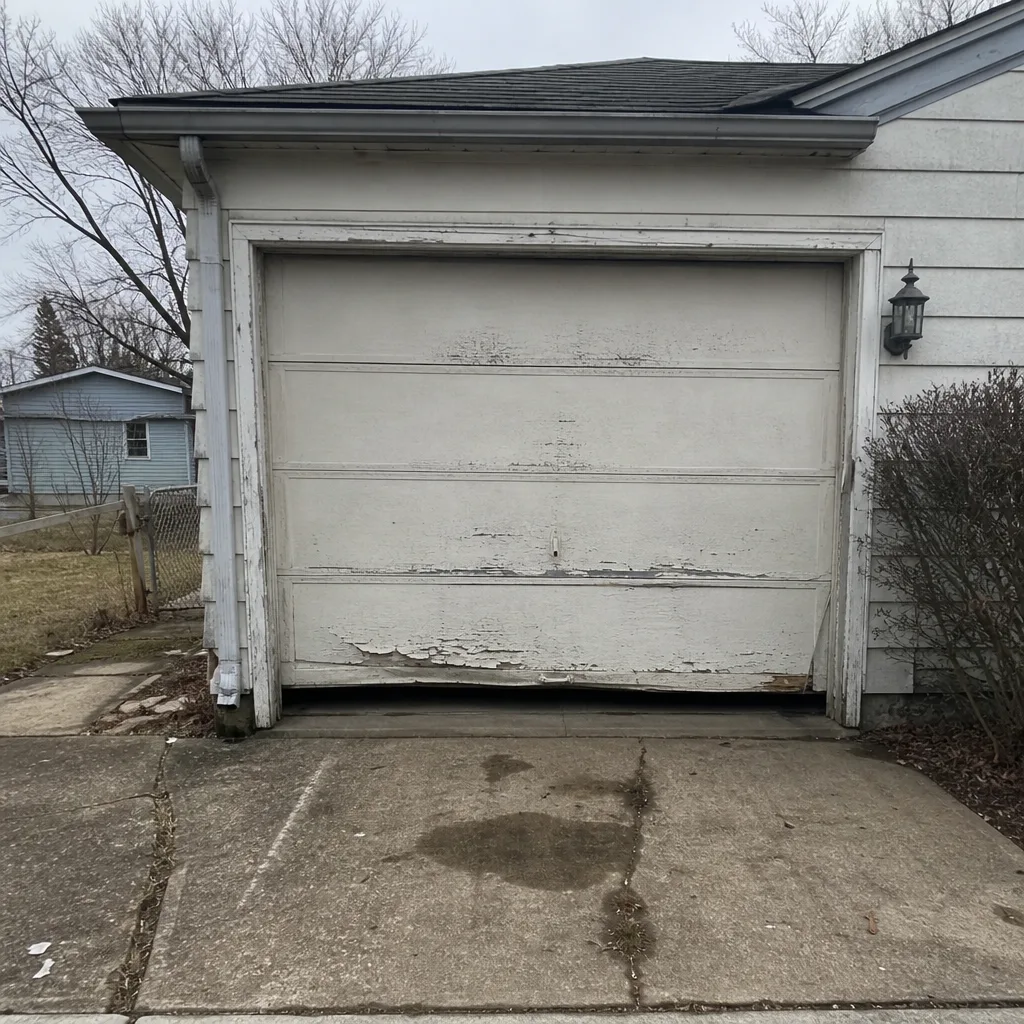 Before
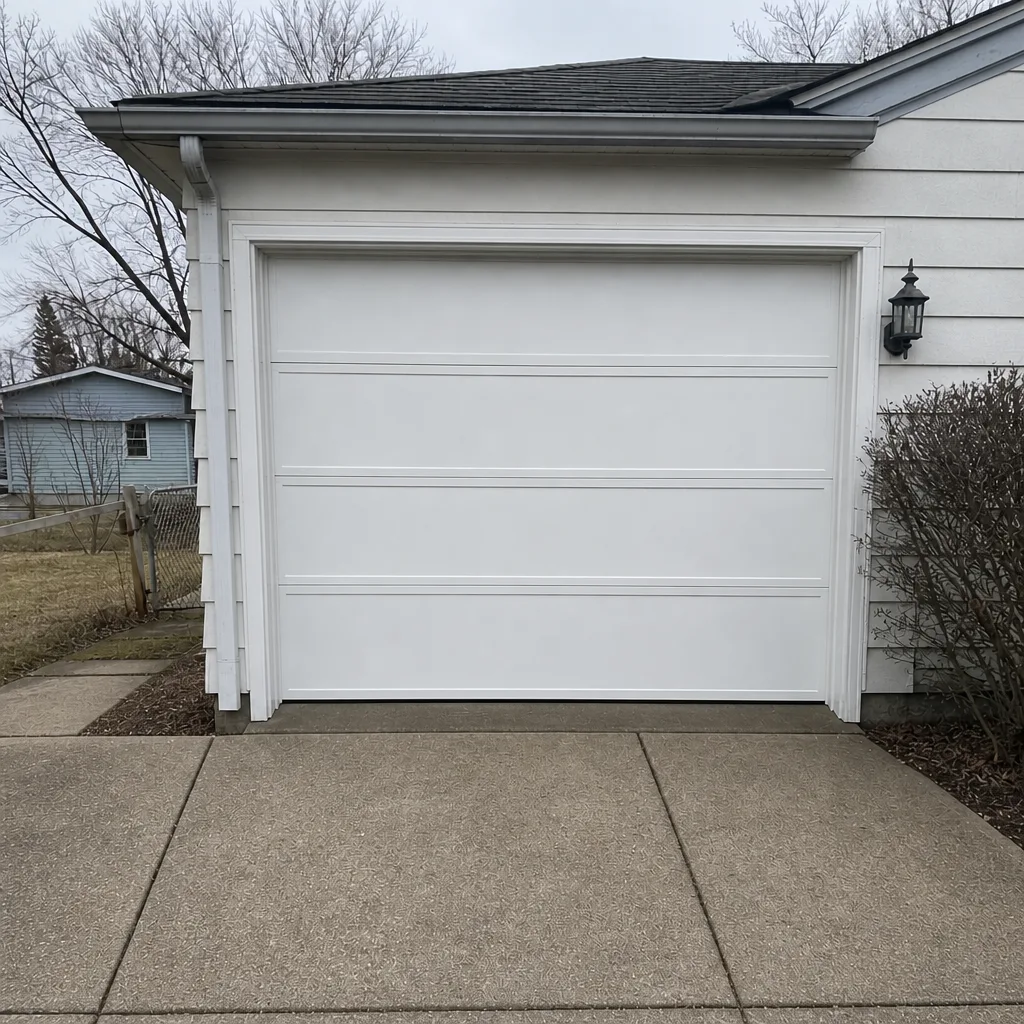 After
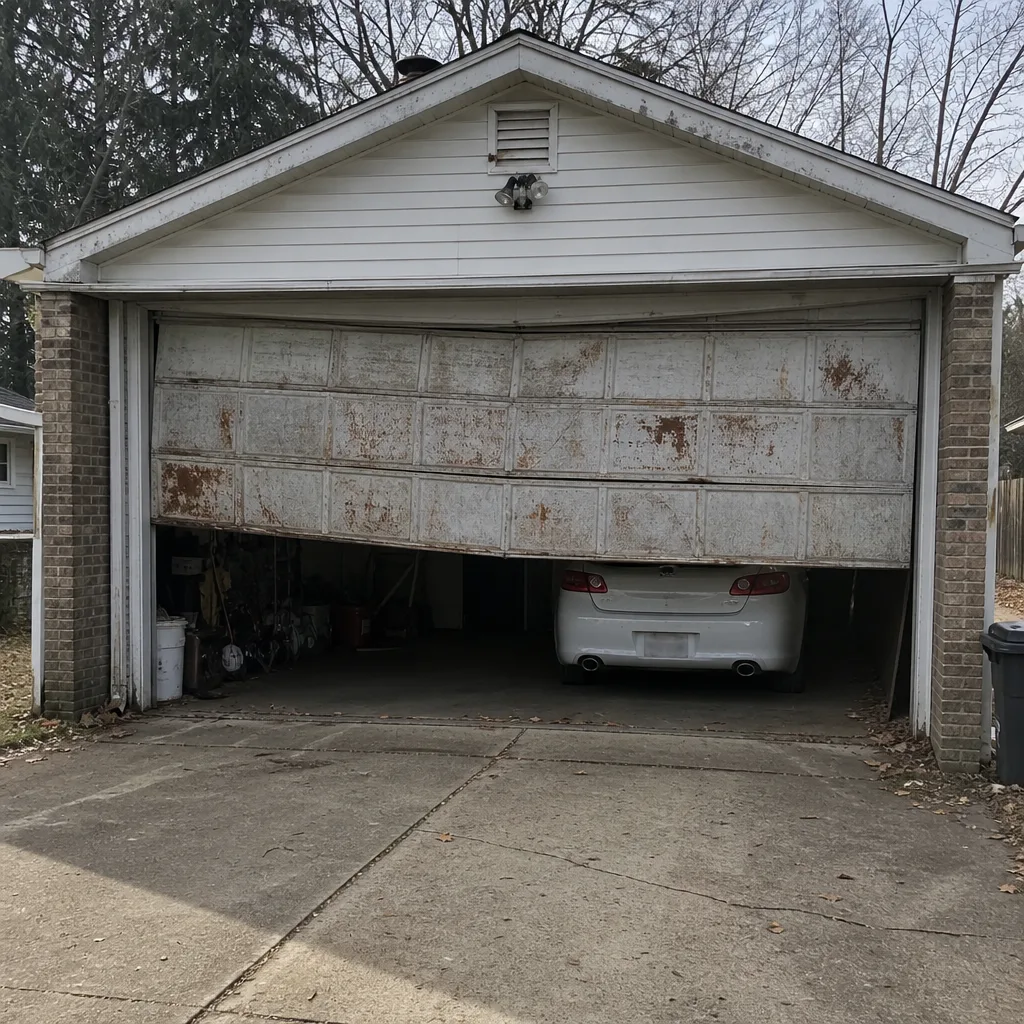 Before
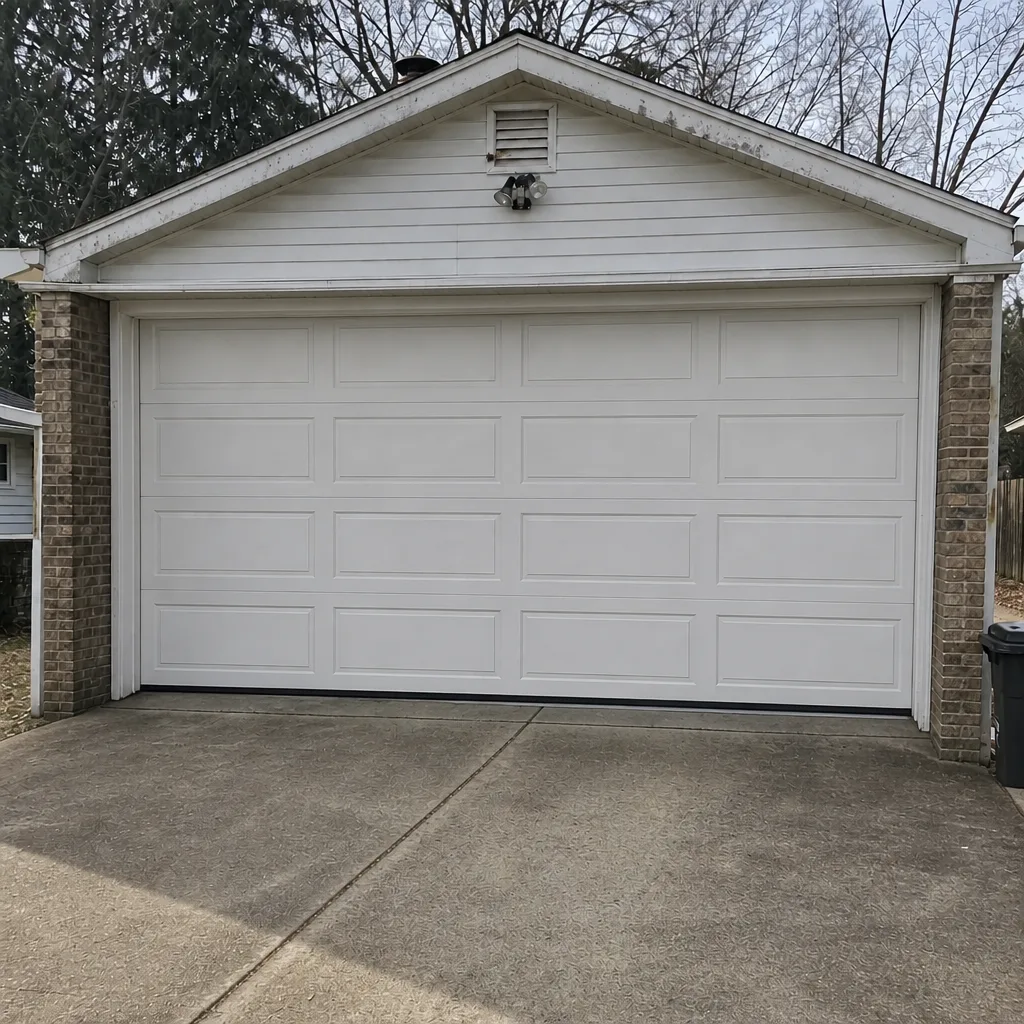 After
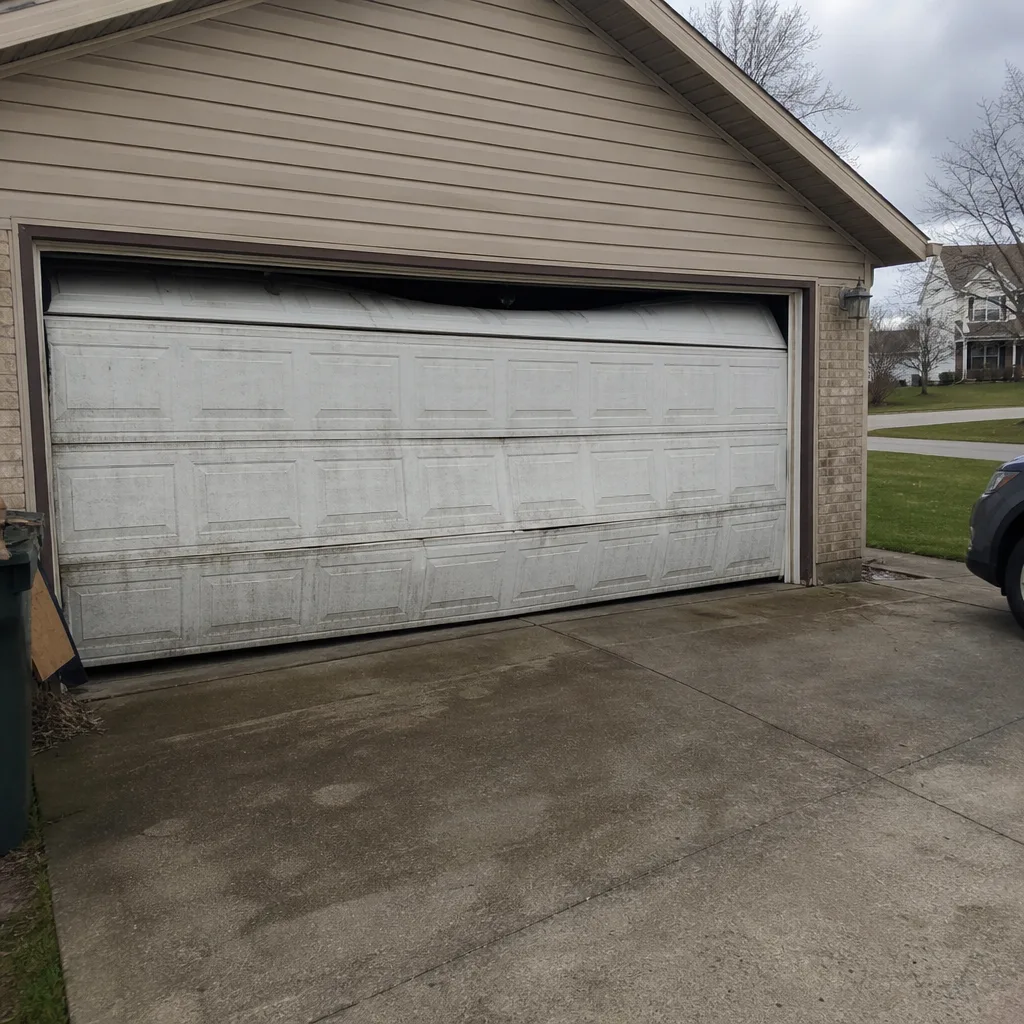 Before
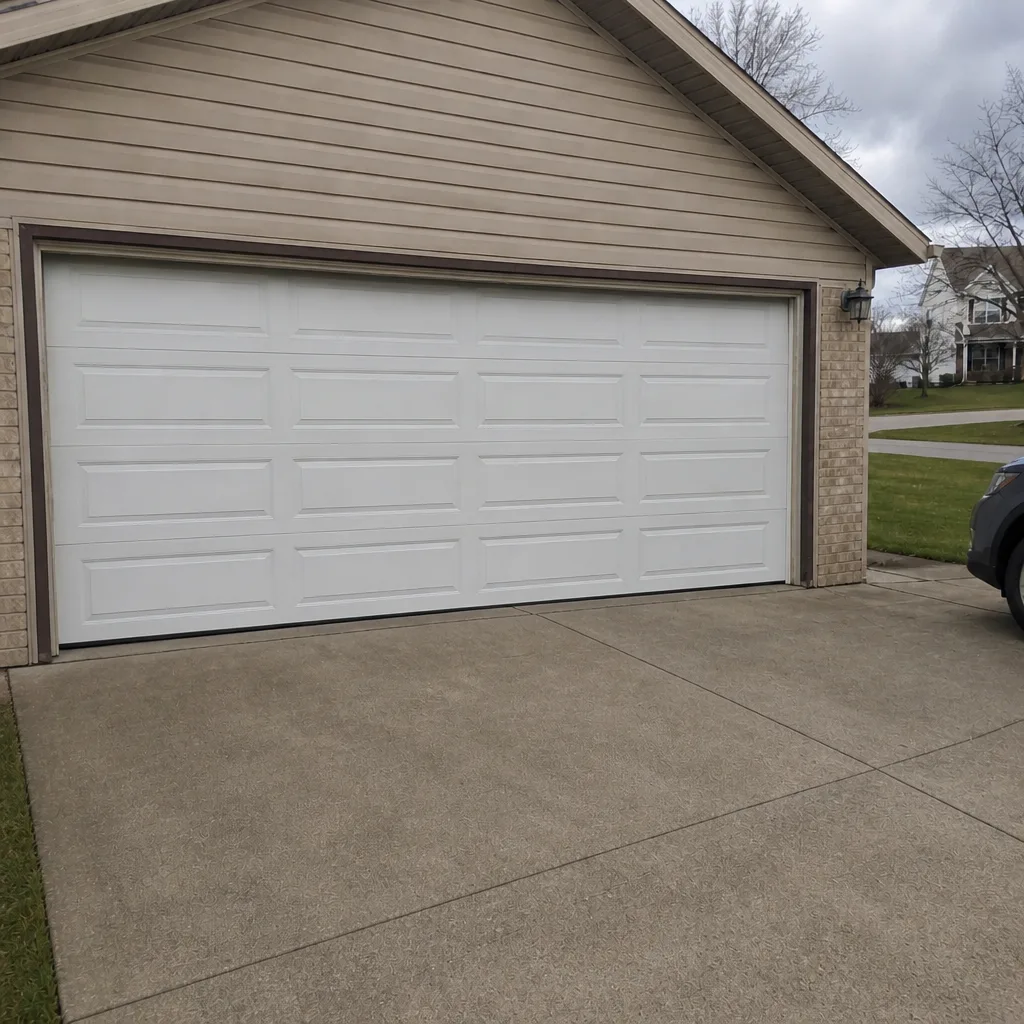 After
When to Call a Professional
Call a professional when the job touches the structural opening, the electrical circuit, or the fire separation between an attached garage and the house. Those are the three areas where the work is code-regulated and where the inspection criteria are specific. Spring work is the other: torsion springs are under high tension and store enough energy to cause serious injury, so we don’t describe a method for homeowners to attempt it. A trained technician with the right winding bars and the right springs for your door’s weight is the safe path.
We also see plenty of jobs that look like permit problems and turn out to be installation problems: an opener that reverses on contact with the floor, a door that binds because the track is out of plumb after an opening change, or a sensor that won’t align because the bracket was never installed correctly. Those are mechanical issues, and they’re worth a second opinion before you assume the worst.
Garage Door Repair Canton Pros offers free estimates in Canton. Call (855) 707-3791. We answer 24/7. Fast dispatch from 7am to 7pm, Sunday through Friday. Our technicians have up to 14 years of experience, and we service LiftMaster, Chamberlain, Genie, Clopay, Amarr, Wayne Dalton, Craftsman, and Raynor systems.
Frequently Asked Questions
Usually no, if it’s a same-size replacement in an unchanged opening with no electrical or structural work. You do need a permit when the opening is modified, a new door is installed as part of construction, an opener is added to a previously manual door, or the fire separation between the garage and the living space is altered. Call the City of Canton Building Department with your specific scope before work starts; the answer costs nothing and belongs in your project file. Call (855) 707-3791 if you want a written scope of work to take to the department.
Structural opening changes, new-construction doors, electrifying a previously manual door, and any alteration to the fire-separation assembly between an attached garage and the house. Changing a rated person door to an unrated one is also a code issue. The door panel itself is rarely the trigger; the opening, the wiring, and the fire boundary are. Call (855) 707-3791 for a free estimate and a written scope you can submit.
It checks structural framing and header integrity at any altered opening, continuity of the fire separation, the rating and self-closing hardware on the garage-to-house door, penetrations through the rated wall, the electrical circuit at the opener, and the operator’s safety-reverse function. It’s a structural and life-safety inspection, not a cosmetic one. If you’re not sure your door or opener would pass, call (855) 707-3791 for a free estimate.
It can. Insurers may investigate whether a loss was caused by non-compliant construction, and buyers’ inspectors check the same fire-separation and hardware criteria a municipal inspector uses. A permit and inspection record is the cleanest documentation you can hold. If a prior owner left you without one, get a code-compliance review before you list or close. Call (855) 707-3791 for a free estimate.
Possibly, depending on the scope and whether the department allows a homeowner permit for that type of work. In Ohio, the licensed contractor performing the work often pulls it. Call the City of Canton Building Department and ask directly; they’ll tell you who can apply and what documents they need. Call (855) 707-3791 if you need a written scope to submit with the application.
Yes, if new wiring or a new circuit is being installed for the opener. The building permit covers the structure and fire separation; the electrical work is inspected separately and often scheduled together. A plug-in replacement of an existing opener on an existing circuit usually doesn’t involve new electrical work. Call (855) 707-3791 for a free estimate and we’ll tell you what your specific setup needs.
No. Spring repair is maintenance, not structural or electrical work, so it doesn’t go through the permit process in Canton. It is, however, one of the highest-risk jobs in the trade. Torsion springs are under heavy tension, and the safe path is a trained technician with the correct springs for the door’s weight. Call (855) 707-3791 for a free estimate.
The Bottom Line
Garage door replacement in Canton is usually paperwork-free, but the exceptions carry real weight: structural opening changes, new-construction doors, electrifying an older manual door, and any touch to the fire separation between an attached garage and the house. Get the answer from the City of Canton Building Department in writing, keep a written scope and an invoice with your permit records, and fix any questionable fire-separation details as part of the project rather than after a closing. The door itself is rarely the issue. The opening, the wiring, and the fire wall are. When in doubt, one phone call to the department resolves it, and if the work itself needs a professional, we’re a call away.
Call (855) 707-3791 for a free estimate. We answer 24/7. Fast dispatch from 7am to 7pm, Sunday through Friday. Garage Door Repair Canton Pros works on all eight major residential brands, from opener glitch to full replacement, with same-day repair kept for the situations that actually need it. Spring failure is a safety issue, not just a repair call, and when the door won’t move, we do.
Written by the team at Garage Door Repair Canton Pros.